
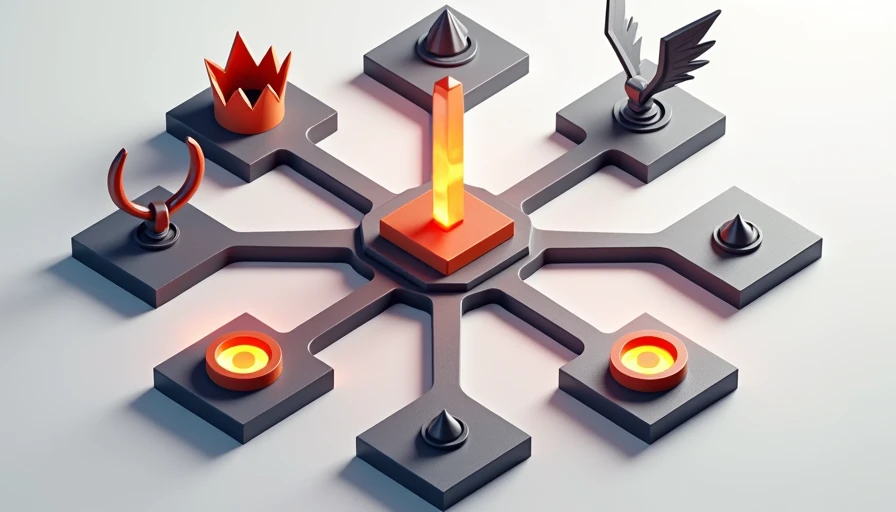
The pathfinder wrath of the righteous mythic paths system is one of the campaign's biggest decisions, but you do not need a perfect build to enjoy it. Each route changes your character's powers, story scenes, companions, quests, and sometimes the ending direction of the campaign. The practical question is not simply which path is strongest. It is which path fits the way you want to play over dozens of hours.
If you have one or two hours after work, start by choosing a theme and combat identity rather than studying every feat interaction. Angel suits a heroic divine character, Demon rewards aggressive melee play, and Azata offers a flexible magical adventure with a strong sense of personality. The other routes are excellent too, but some require more planning or arrive later.
How mythic paths work
You begin by gaining mythic ranks during the campaign. Early ranks give you general mythic abilities and feats, while later choices move you toward a specific path. You are not locked into every detail immediately, so choosing a broad direction early is safe. The important point is that mythic progression is more than another skill tree. It is a second character progression system connected to the story.
For a normal playthrough, select abilities that strengthen what your party already does well. A melee character might prioritize durability, attack reliability, or damage penetration. A spellcaster can look for options that improve spell resistance checks, spell penetration, or action economy. Do not rebuild the entire party around a guide written for Unfair difficulty unless you are actually playing that difficulty. On Core or lower, a coherent character with good equipment is usually enough.
The pathfinder wrath of the righteous mythic paths also affect party planning. Some routes make a character better at leading from the front, while others reward summoning, control spells, stealth, or unusual skill checks. Your companions remain useful, but their roles may become less important as your main character gains increasingly dramatic powers.
The best paths for most players
Angel is the cleanest recommendation for a first campaign. It supports a heroic story, offers powerful divine tools, and works especially well with divine spellcasting classes. You do not have to play a cleric or oracle, although those classes can make the route feel exceptionally natural. Angel is also forgiving because its strengths are easy to understand: stronger defenses, reliable damage, and impressive spell options.
Demon is a strong choice if you want a more personal, forceful campaign. Its abilities encourage bold combat decisions and can reward a character who is comfortable taking risks. It is particularly appealing for martial builds, but spellcasters can use it effectively too. Choose Demon because the temperament and story interest you, not only because of damage numbers.
Azata is ideal for players who want a more colorful, unconventional adventure. Its unique powers and companion mechanics can support many different builds, and it works well for characters who use spells, ranged attacks, or flexible support tools. Azata is not just a joke route; it can be highly effective while still feeling distinct from the more serious mythic choices.
For most first-time players, the pathfinder wrath of the righteous mythic paths shortlist should begin with Angel, Demon, or Azata. These routes communicate their identity clearly and provide enough power to make the campaign feel different without requiring an enormous planning spreadsheet.
Aeon, Trickster, and Lich explained
Aeon suits a player who likes investigation, judgment, and a more structured story. Its abilities can reward careful decisions and make certain encounters feel uniquely tailored to the route. Aeon is a good fit for a character who values order and consequences, though it may feel less immediately explosive than Angel or Demon. It becomes more satisfying when you pay attention to the campaign's details rather than rushing from fight to fight.
Trickster is for players who enjoy bending the rules. Its special options can create strange, powerful, and occasionally hilarious combinations, especially if you like critical hits, unusual skill investment, or surprising character interactions. Trickster is excellent for a second playthrough because you will recognize more opportunities to exploit its unusual design.
Lich offers one of the most distinctive evil routes. It focuses on necromancy, death, and building power through an undead theme. The route can be very strong for an arcane caster, but it is not limited to that role. It also changes the campaign's tone substantially. If you want a conventional heroic party story, choose something else. If you want the game to commit fully to a dark fantasy transformation, Lich delivers.
Late-game paths and commitment level
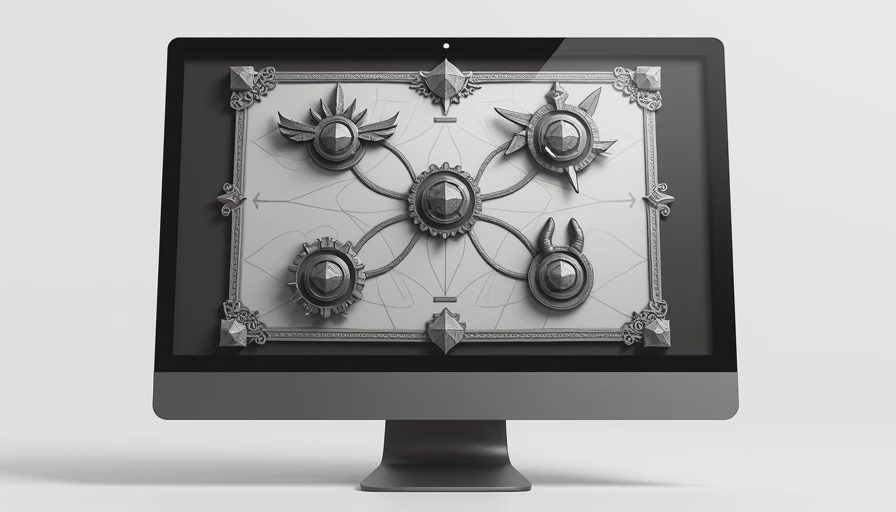
Gold Dragon, Legend, Swarm-that-Walks, and Devil are later or more specialized options. They are worth knowing about before you commit, particularly if you dislike restarting after thirty hours. Gold Dragon is a redemptive, high-powered direction with a strong emphasis on transformation and resilience. Legend eventually moves away from the normal mythic structure in exchange for extraordinary character progression through additional class levels. It is attractive if you want a powerful multiclass build without staying inside a traditional mythic identity.
Swarm-that-Walks is the most demanding thematic choice. It asks you to accept a radically different campaign identity and is better treated as a planned second or third run. Devil has a narrower availability window and connects to particular earlier choices, so it is not the route to pick casually at the start. These paths are not necessarily better or worse; they simply require more commitment and awareness.
The pathfinder wrath of the righteous mythic paths become easier to manage when you separate early decisions from late decisions. Pick a compatible class and alignment direction now, but leave room for the story to develop. Save before major mythic conversations, especially if you are experimenting. A single save file from the beginning of a chapter can save hours of replaying.
A practical choice checklist
Here is what I would do before starting a campaign. First, decide whether you want heroic, chaotic, lawful, evil, or transformational storytelling. Second, choose a combat role you will enjoy using every fight, because mythic powers amplify that role rather than replacing it. Third, select one primary route and one backup route that matches your character. For example, a divine caster might begin with Angel in mind while keeping Legend as a later possibility.
Fourth, avoid building around a feature you will not see for many sessions. A path that becomes excellent at mythic rank eight still needs to be enjoyable at rank three. Fifth, use the difficulty setting as a design tool. On Normal, you can choose a path for story and still succeed with sensible feats. On Core, check your attack bonuses, saving throws, and spell penetration more carefully. On higher difficulties, detailed optimization matters much more.
Final recommendation for a busy player
The pathfinder wrath of the righteous mythic paths are best experienced as different campaign identities, not as a single ranking from strongest to weakest. Choose Angel for the smoothest first run, Demon for aggressive intensity, Azata for flexibility and personality, Aeon for a thoughtful lawful route, Trickster for experimentation, and Lich for a committed dark fantasy campaign. Save the more specialized options for when you already know the game's rhythm.
Do not overthink it. Pick the path whose story you want to see, make a sensible build, and keep a few manual saves. A good mythic choice should make your next 90-minute session more interesting, not turn your evening into homework. Save your time for the fun stuff: exploring, making difficult decisions, and watching your character become something the opening chapter could barely imagine.