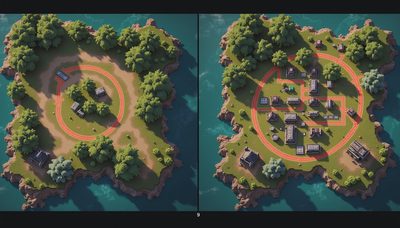
Mike Bennett's hands-on method for telling whether a survival crafting game is genuinely deep or simply padded with extra play time. The article covers a ten-hour checkpoint, a side-by-side comparison of deep systems and time gates, and a pre-install checklist for adults with limited gaming hours.

Mike Bennett's four-part pre-purchase test for evaluating a new RPG as a busy adult: save-anywhere support, quests that fit short sessions, combat that allows a pause, and a difficulty curve matched to weeknight attention spans. Includes a reusable decision table and a short list of supporting signals to look for before buying.
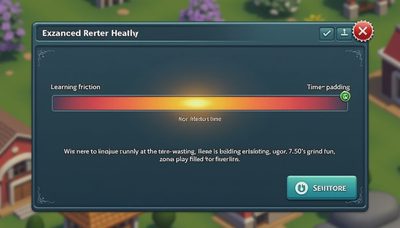
Mike Bennett breaks down what makes grinding reasonable or unreasonable in simulation games, separating learning friction, progression gating, and time padding. Includes a practical spectrum from necessary friction to wasted hours, four diagnostic questions to ask before quitting, and a clear rule for when repetition still earns your evenings.

Mike Bennett's five-question gut check for deciding whether a new game deserves a full Saturday, covering pacing, save systems, onboarding, the player community, and the cost of being wrong. Includes a three-column decision rubric and a short list of ground rules for testing a weekend game cheaply.

Mike Bennett reflects on why a small set of games stays installed in his library for years while others leave after two weeks, looking at systems rather than rankings. Includes a comparison of the systems that survive long gaps, a checklist for returning to a save after a break, and a practical pattern for choosing games that respect your time.