
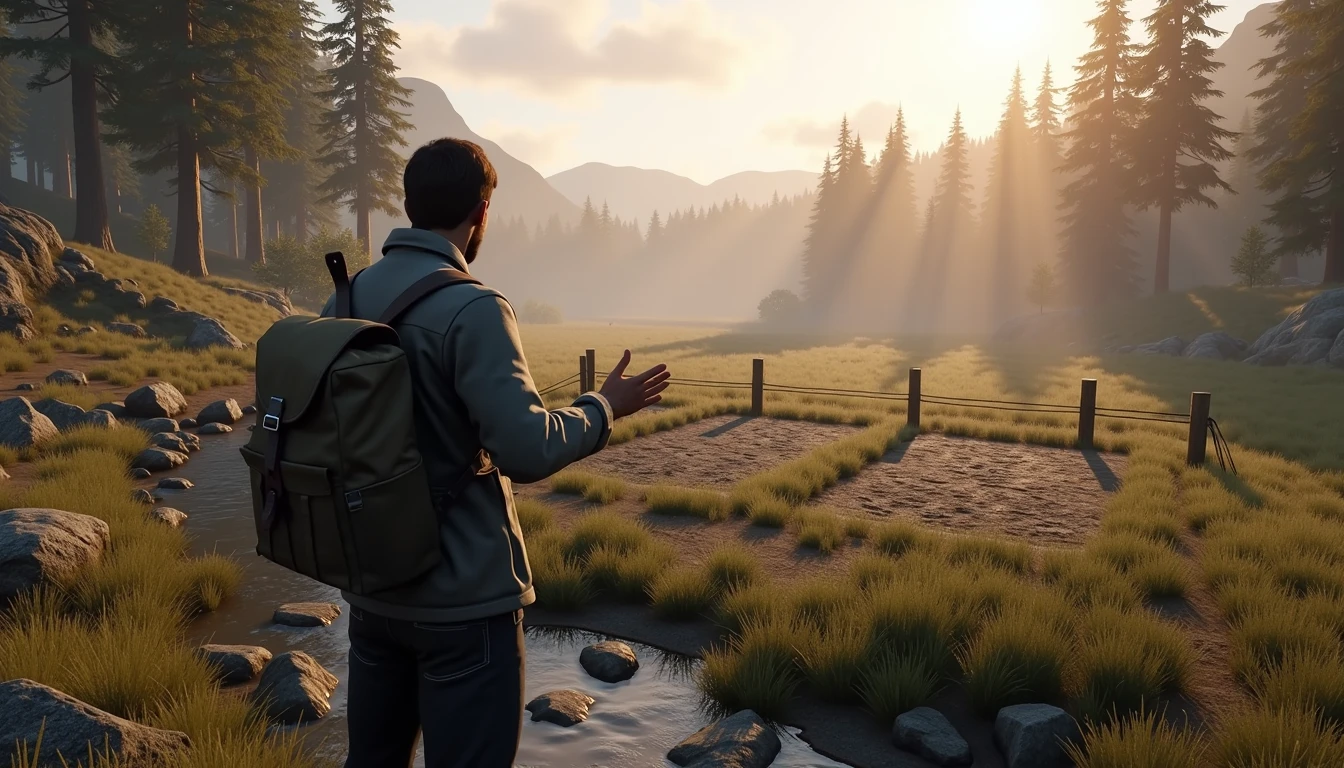
Every base-building game eventually asks the same question, and it usually asks it within the first hour: what do I place first? The honest answer I have landed on after years of playing this genre is that deciding what to build first in a survival game is less about the game's tech tree and more about the problem sitting in front of you. Once you name the problem, the build order mostly writes itself.
I am Mike Bennett, and I build bases the way I run product operations at work: slowly, on paper, and with a bias toward systems that fail cheaply. That approach came from too many nights where I committed an evening to a grand base plan, only to realize the storage shed should have come before the decorative tower. This article is the decision framework I use now, and it applies whether you are starting fresh in a survival crafting title or joining a rented server where everyone expects you to pull your weight.
Ask What Problem You Are Solving Right Now
The classic beginner move is to ask what to build first in a survival game and then copy a list from the internet. The more durable approach is to look at your current session and ask which problem is about to hurt you. If night is falling and you have no walls, defense wins. If your inventory is full and you are dropping materials on the ground, storage wins. If you cannot craft the tools you need because nothing is being refined, production wins.
What to build first in a survival game is not a fixed answer; it is a ranking exercise that shifts with the clock, the map, and your goals. Here is the lens I use to sort the three main candidates.
Storage solves the problem of losing what you already earned. It matters most when your inventory is small and resources are piling up faster than you can spend them.
Production solves the problem of being stuck. Workbenches, furnaces, and refining stations convert what you have gathered into what you can actually use.
Defense solves the problem of losing everything at once. Walls and traps matter most when the game's threats become predictable and frequent.
The Trap of Building the "Cool" Thing First
In my experience, the worst first build is the one chosen for status rather than function. I have watched my own bases stall because I poured wood into a two-story frame while my tools were still breaking and my chests were overflowing. The game did not punish me directly; it punished me through lost momentum, which is worse.
A Decision Framework for Your First Session
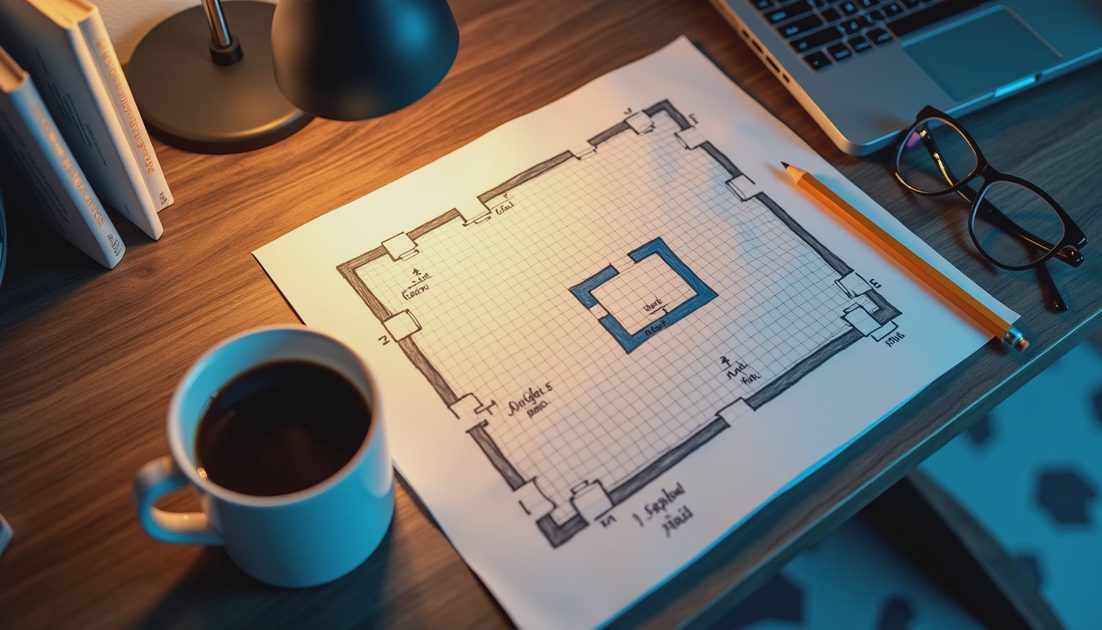
So what to build first in a survival game, concretely? Here's what I'd do: I sketch the first three nights on scrap paper before I place anything, and I decide based on a simple rule. Each night should solve the failure that is most likely to end the run before morning.
The framework has three questions, and you answer them in order. First, where will I sleep and can anything reach me while I sleep? That decides whether night one needs a full wall or just a cleverly placed door. Second, what is my weakest resource chain? If I keep running out of cooked food, the smoker or cooking station moves up the list. Third, what do I have too much of right now? The answer is usually raw material, which means storage often beats production in the first hour.
Comparing First Builds Side by Side
To make the trade-off visible, I compare the usual first-build candidates across the things that matter in the opening hours. The table below summarizes what each choice does for you early and where it can leave you exposed.
First build | What it buys you | Where it can bite you |
|---|---|---|
Storage racks and chests | Room to keep gathering without waste | Adds nothing while threats are closing in |
Workbench and refining tools | Faster access to better gear and materials | Needs a steady input, so it stalls if gathering stalls |
Walls, door, and a simple defense | A safe night and fewer resource losses | Eats wood and stone you may need for tools |
Bed and a respawn point | A cheap restart when things go wrong | Offers no benefit if you rarely die early |
I lean toward a mix: a basic workbench almost always appears on my night-one list, but storage sneaks ahead if the game hands me more loot than my starting pack can carry. The point of the table is not to crown a winner; it is to remind you that every first build is a trade, and the right trade depends on what your session is actually experiencing.
How to Avoid Rebuilding Everything Later
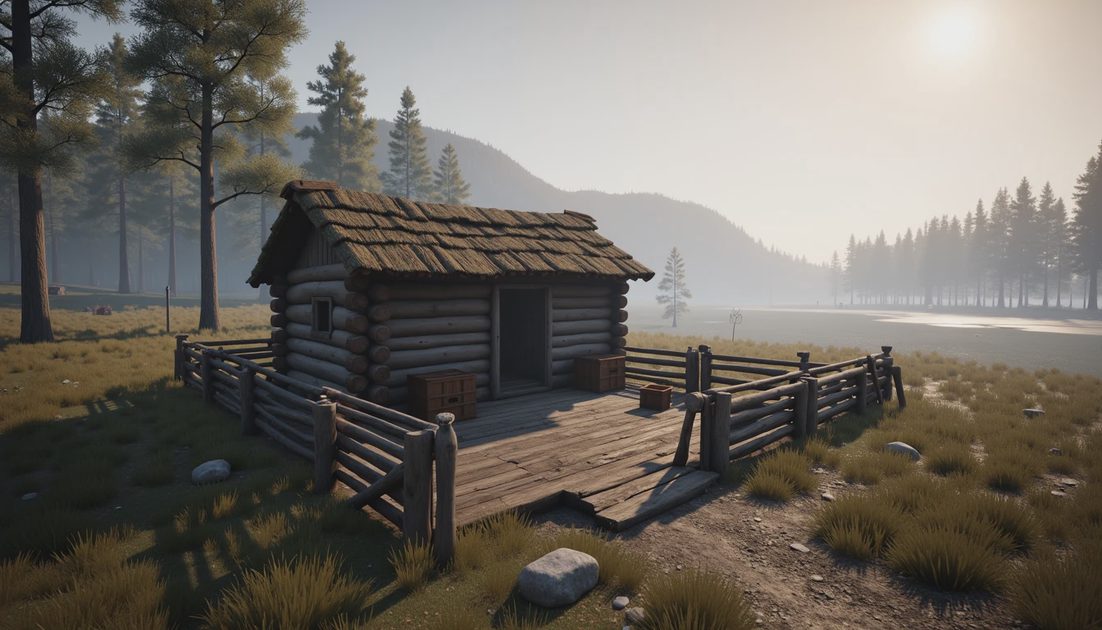
The second-most common mistake I see is building for the end state on day one. Players claim a big plot, lay a grand foundation, and then discover the resource nodes they need are half a map away. Rebuilding later is not a failure of skill; it is a failure of staging, and it is avoidable.
I use two habits to keep my early bases honest. The first is to treat everything built in the first two sessions as temporary on purpose. I still build it well, but I do not build it precious, which means I will happily tear it down when the map teaches me something new. The second habit is to leave room. I keep one side of the base open for the production wing I know is coming, and I never box myself against a resource node I might need to expand around.
A Simple Way to Sequence Your Growth
When I am unsure how to phase a base, I follow a short sequence instead of trying to solve everything at once:
Establish a safe corner with a bed, a door, and one storage unit.
Add the single refining station your current bottleneck demands.
Expand storage only when you start dropping items on the ground.
Build permanent walls and production lines last, once the map and threats are known.
That sequence has saved me more evenings than any build guide I have read, because it front-loads safety and information while postponing expensive commitments.
When a Base Plan Falls Apart
Not every base survives contact with the map, and that is fine. I have abandoned shelters after night three because the local predators were too active, and I have moved entire operations after finding a better resource cluster across the river. The habit that keeps this from feeling like wasted time is the scrap paper. When a plan fails, I write down what the map taught me, fold the page, and carry the lesson into the next layout. For a survival crafting game progression guide to be worth your limited hours, it has to treat abandoned bases as tuition rather than loss.
The bottom line is short. Name the problem, match the build to it, stage everything, and keep the plan loose enough to change. If you do that, you can walk into almost any base-building game and feel competent by the end of your first session, no matter how unfamiliar the setting looks.